

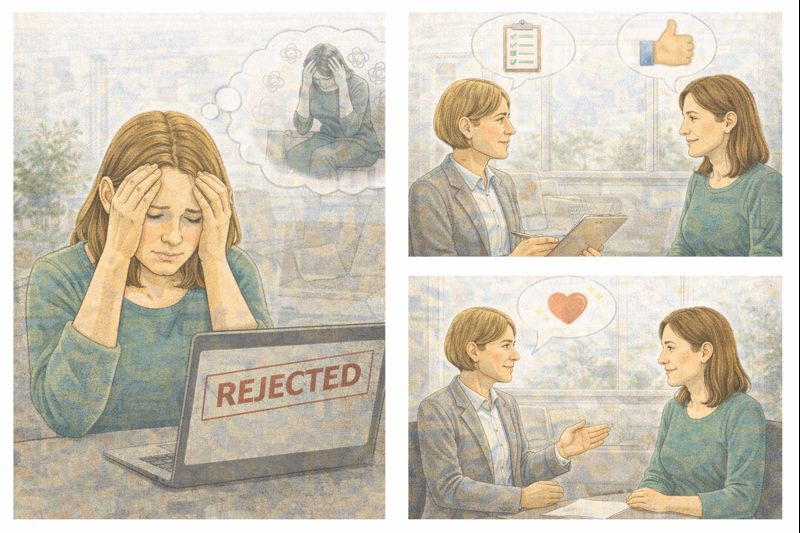
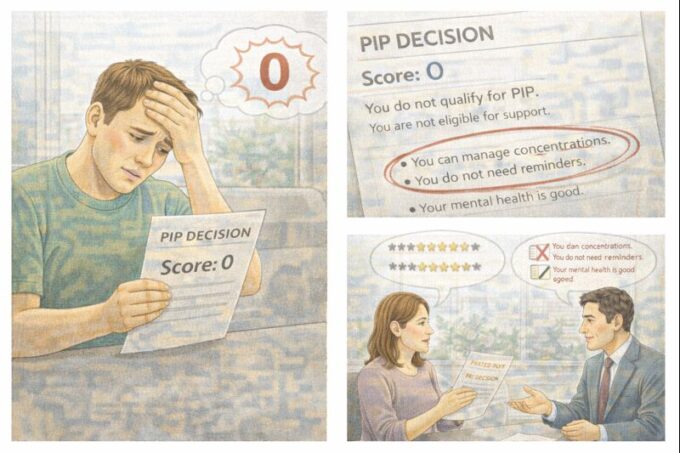
For many people applying for Personal Independence Payment, the assessment stage is the most frightening part of the whole process. Online forums and social media are full of negative stories. People talk about rude assessors, trick questions, being rushed, or feeling ignored. For those with mental health conditions like anxiety or depression, just the thought of a phone call assessment can feel overwhelming.
That fear is exactly what one claimant felt before their recent PIP assessment. Living with depression and anxiety, they had been worrying about the call from the moment they applied. Phone calls are especially difficult for them, and after reading so many bad experiences online, they were convinced the assessment would go badly.
Instead, the opposite happened.
They explained that the assessment was done by phone and, to their surprise, it went much better than expected. The assessor was calm, kind, and understanding. There was no rushing, no pressure, and no sense of being judged. The assessor started by asking about their medical history, education, employment, and living situation. Then she went through the same questions that were already on the form, but in a clear and supportive way.
For some questions, the assessor gave simple examples to help explain what she meant. One example was about being approached by someone in public and asked the time, and whether that would feel manageable or overwhelming. These examples helped make the questions easier to understand and less stressful to answer.
At the end of the call, the assessor wished them well and said she hoped their health would improve. That small moment meant a lot. When the call ended, the claimant felt a huge sense of relief instead of panic or distress.
They shared their experience not to say that the system is perfect, but to remind others that not every assessment is a bad one. There are assessors who listen, who care, and who genuinely try to understand how mental health affects daily life. For someone who had been dreading the call for weeks, that kindness made a real difference.
For people waiting for their own PIP mental health assessment, this kind of experience can be reassuring. It shows that while negative stories are common online, they are not the whole picture. Assessments can vary a lot depending on the assessor, the day, and the way questions are asked.
If you are preparing for a mental health PIP assessment, it can help to remember a few things. The assessor’s role is to understand how your condition affects your daily life, not to catch you out. It is okay to take your time answering questions. It is okay to explain how anxiety, depression, or other conditions affect you on bad days, not just good ones. And it is okay to ask for clarification if you do not understand a question.
This experience also highlights something important that often gets lost in online discussions. Sharing positive outcomes matters too. When people only see horror stories, it can increase fear and anxiety for those still waiting. Hearing that a call can be calm, respectful, and supportive can help others feel less alone and less afraid.
For anyone currently waiting for a PIP assessment, especially for mental health, this story is a reminder that compassion does exist in the system. Not every call is a battle. Sometimes, you may simply be listened to.







Leave a comment