


Millions of self-employed workers and landlords across the UK are being warned to prepare for major tax changes coming into force from April 2026. The changes will affect how income is reported, how often it must be submitted, and the way many people manage their finances throughout the year. Experts say that while the reforms are intended to modernise the tax system, many people are not yet ready and could face stress, confusion, and unexpected costs if they do not prepare early.
At the centre of the changes is the government’s plan to expand Making Tax Digital, a system designed to move tax reporting away from annual paper-based returns and towards more frequent digital updates. Under the new rules, millions of self-employed people and landlords earning above a certain threshold will be required to keep digital records and send income updates to HM Revenue & Customs several times a year using approved software.
For decades, most self-employed people and landlords have been used to filing one tax return a year. They gather their records, often with the help of an accountant, and submit everything by the January deadline. From April 2026, that familiar system will change. Instead of one annual submission, many people will need to send quarterly updates, followed by an end-of-year final declaration.
The government says this will make the tax system more accurate and reduce mistakes. It also argues that more frequent updates will help people understand their tax position better throughout the year, rather than facing a large bill all at once. However, accountants, tax advisers, and small business groups warn that the reality may be far more difficult, especially for people who are not confident with technology.
Self-employed workers are one of the groups most affected by the changes. This includes freelancers, tradespeople, delivery drivers, cleaners, carers, online sellers, and many others who work for themselves. Many of these workers already face irregular income, rising living costs, and little financial security. Adding new reporting requirements could increase pressure rather than reduce it.
For some self-employed people, keeping digital records may be manageable. But for others, especially older workers or those with limited digital skills, the change could feel overwhelming. Instead of writing expenses in a notebook or keeping paper receipts, they will need to use compatible accounting software, keep records updated regularly, and submit information on time to avoid penalties.
Landlords are also facing growing concern about the new rules. Many landlords in the UK are not large property investors but ordinary people who own one or two rental properties. Some rent out a former family home, while others rely on rental income to top up pensions or support their household. These landlords already face higher mortgage costs, stricter regulations, and reduced tax relief on expenses.
The move to more frequent digital reporting adds another layer of responsibility. Landlords will need to track rental income and allowable expenses more closely and submit updates several times a year. For those who are not organised or who rely on accountants to handle everything once a year, this could mean higher professional fees or a greater risk of mistakes.
One of the biggest concerns raised by experts is awareness. Surveys suggest that a large number of self-employed people and landlords either do not know about the April 2026 changes or do not fully understand what they will involve. Some believe the rules will not apply to them, while others assume they will be delayed again.
In the past, similar changes have been postponed, which has led some people to delay preparing. But tax experts say relying on another delay is risky. The government has repeatedly stated that it intends to push ahead, and testing is already under way. Those who wait until the last minute may find themselves scrambling to comply.
Another issue is cost. While some basic accounting software packages are affordable, others come with monthly fees. For people on tight budgets, especially those with low or fluctuating income, this is an extra expense they did not previously have. In addition, many people may need to pay accountants more, as quarterly reporting increases workload.
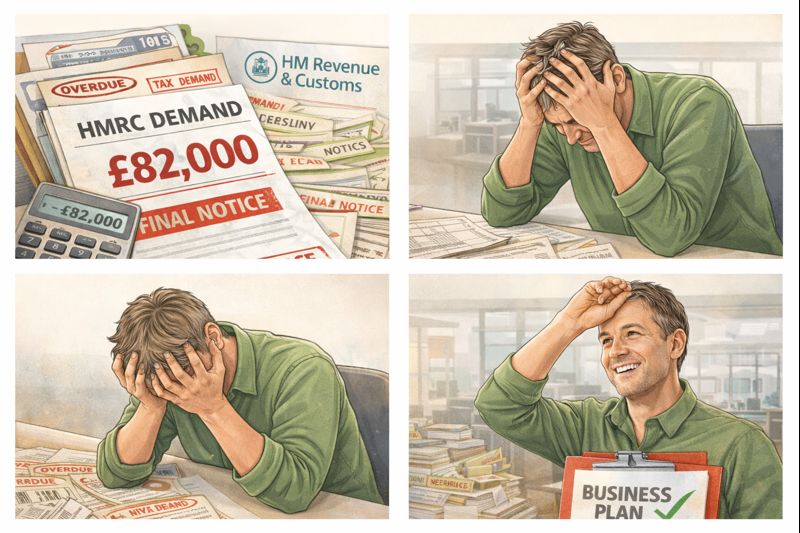
There is also concern about penalties. Under the new system, late submissions or missing updates could lead to fines. Even if the final tax owed is correct, failing to meet reporting deadlines could still result in penalties. This is worrying for people who struggle with paperwork or who are dealing with illness, caring responsibilities, or unstable work patterns.
Supporters of the changes argue that digital reporting will eventually make life easier. They say it could reduce errors, improve budgeting, and help people spread tax payments more evenly across the year. But critics say these benefits will only be felt if the system is introduced carefully and with enough support.
Many professional bodies are calling for better guidance, clearer communication, and more help for vulnerable groups. They want the government to invest in training, provide free or low-cost software options, and ensure that people who genuinely struggle are not unfairly penalised.
There are also wider concerns about how the changes fit into the broader tax landscape. At the same time as digital reporting is expanding, tax thresholds remain frozen, meaning more people are paying higher rates of tax as incomes rise. Combined with higher National Insurance contributions and rising living costs, this makes the timing of the reforms particularly challenging.
Some landlords worry that the added complexity will push more people out of the rental market. If small landlords decide it is no longer worth the effort, this could reduce the supply of rental homes and drive rents even higher. Housing groups warn that this could make an already difficult housing situation worse.
For self-employed workers, there is fear that the system does not reflect the reality of modern work. Many people have multiple income streams, short contracts, or seasonal earnings. Quarterly reporting may not capture this complexity accurately and could create confusion about how much tax is actually owed.
Despite these concerns, the changes are coming, and preparation is becoming increasingly important. Tax advisers recommend that anyone who may be affected starts taking steps now. This includes checking whether their income will meet the threshold, learning about digital record-keeping, and speaking to an accountant or adviser if possible.
Simple actions, such as organising receipts, tracking income more regularly, and setting aside money for tax throughout the year, can make a big difference. Even getting familiar with basic accounting software early can reduce stress later on.
The government insists that the reforms are about bringing the tax system into the modern age. But for millions of ordinary people, the changes feel less like modernisation and more like another burden at a time when many are already struggling to keep up.
As April 2026 approaches, the key message from experts is clear. These tax changes are not something to ignore or leave until the last minute. Whether you are self-employed or a landlord, understanding what is coming and preparing early could be the difference between a smooth transition and a very costly surprise.







Leave a comment