

For many people, applying for Personal Independence Payment is not just a form or an assessment. It is often the result of years of struggling, coping quietly, and finally reaching a point where asking for help feels unavoidable. That is why a refusal letter can hurt far more than people expect, especially when the wording feels cold, dismissive, or judgmental.
This is exactly what happened here.
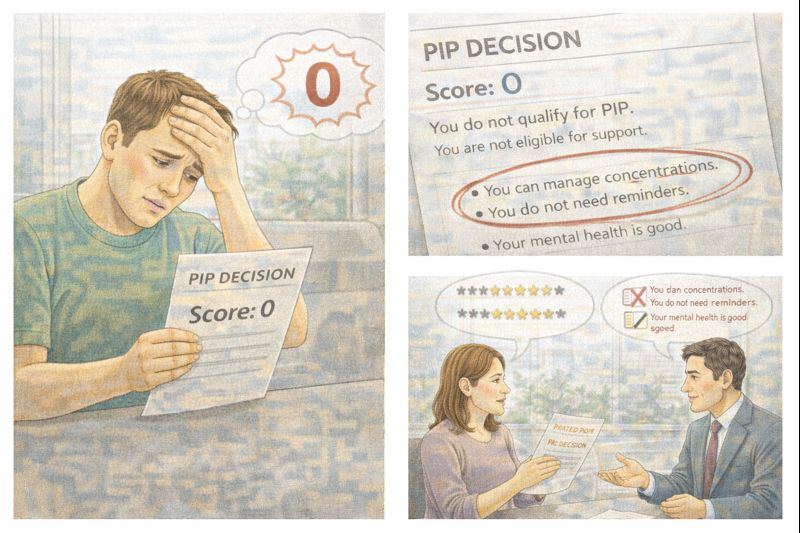
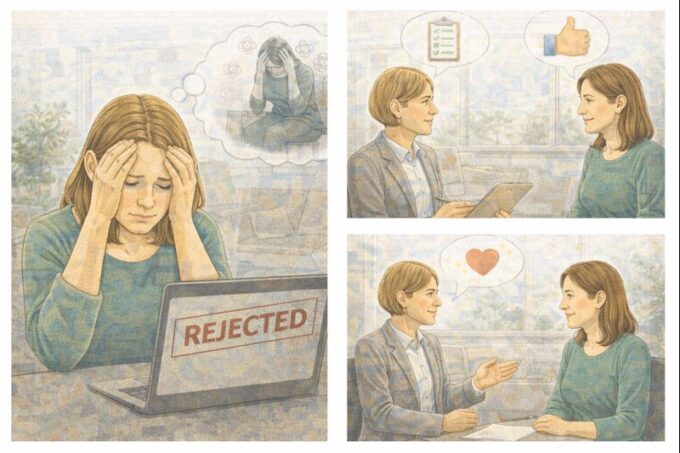
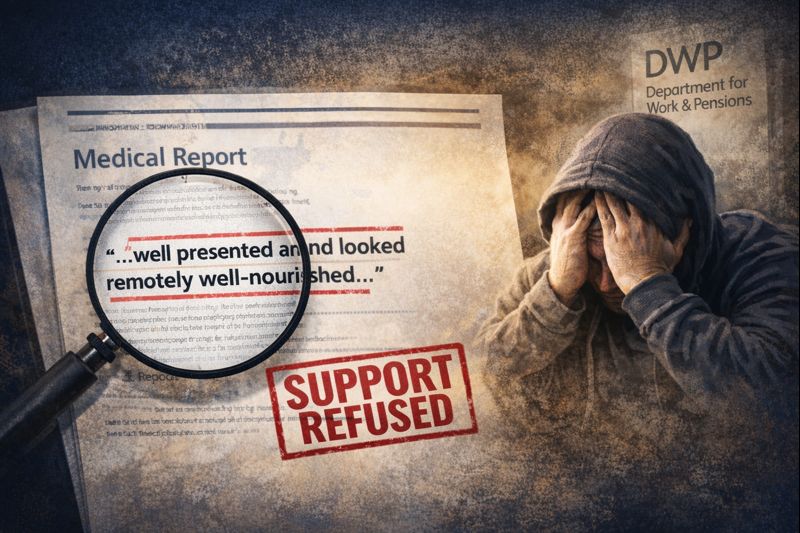
The person received their PIP decision and was told their claim had been declined. They scored zero points across every section. While they said they could accept being refused, what truly devastated them was the written report attached to the decision. Reading it felt like someone had written about a completely different person. The language used made them feel as though they were being accused of lying or exaggerating their difficulties.
One phrase in particular stood out to them. Their mood was described as “stable.” Seeing those words on the page felt cruel. If their mood was truly stable, they said, they would not be crying constantly since opening the letter, feeling crushed, embarrassed, and wanting to hide away from everyone. The wording alone was enough to send them into a very dark place emotionally.
They shared their story because reading other people’s experiences online had brought them some comfort, and they hoped doing the same might help someone else feel less alone.
To give context, they listed the conditions they live with. They have had depression and anxiety since 2007. PTSD since 2014. Dissociative seizures since 2022. Chronic migraines since 2019. Osteoarthritis in their hips from 2024. ADHD diagnosed in 2025, with the official report only arriving the day before the decision letter. They are also dyslexic, which makes reading and understanding formal letters extremely difficult and adds another layer of distress when faced with long, clinical documents.
What hurt almost as much as the refusal itself was the sense of shame. They had been encouraged for a long time to apply for PIP. They had support from Citizens Advice to complete the forms. After seeing the decision, they felt embarrassed, as though they had wasted everyone’s time by asking for help at all.
Sadly, this reaction is very common.
PIP decision letters are often written in a way that feels harsh and impersonal. The language can sound absolute, as if the assessor has decided once and for all that someone’s difficulties are not real. For people with mental health conditions, this can be incredibly damaging. It can trigger feelings of self-doubt, worthlessness, and deep emotional pain, even when the conditions themselves are well documented.
It is important to say this clearly. A PIP refusal, even with a score of zero, does not mean the person is lying. It does not mean they are exaggerating. It does not mean their illnesses are not real or serious. Very often, it means the assessment did not properly reflect how their conditions affect daily life, or that key evidence was misunderstood, ignored, or not available at the time.
Many people who are eventually awarded PIP are refused at the first decision. A large number of successful claims happen only after a mandatory reconsideration or a tribunal appeal. While that does not make the first refusal any less painful, it does show that the initial decision is not the final truth.
For someone feeling this low after reading a decision letter, the most important thing is to pause. It is okay to feel upset. It is okay to cry. It is okay to feel angry, embarrassed, or completely deflated. These letters can feel deeply personal, even though they are part of a flawed system.
It is also okay not to act immediately. Taking a few days to recover emotionally before thinking about next steps can be healthier, especially when mental health is already fragile.
When the person feels ready, there are options. A mandatory reconsideration can be requested, asking the Department for Work and Pensions to look at the decision again. This can be especially important when new evidence exists, such as the ADHD diagnostic report that arrived too late to be considered. If the reconsideration does not change the outcome, an appeal to an independent tribunal is possible. Tribunals are separate from the assessment process and often take a more careful and human look at the evidence.
Seeking help again from Citizens Advice or another welfare adviser can also make a big difference. Feeling embarrassed is understandable, but advisers see these cases every day. Supporting someone through a challenge or appeal is not a waste of their time. It is exactly what they are there for.
Most importantly, no letter should make someone feel ashamed for being ill. No report should erase years of lived experience. The system may have failed to recognise the impact of these conditions, but that does not mean the person has failed.
If you are reading this and see yourself in it, know this. You are not alone. Many people have felt exactly this pain after opening a PIP decision letter. Many have gone on to be believed later. For now, it is enough to breathe, be gentle with yourself, and remember that a decision letter does not define your truth or your worth.





Leave a comment