

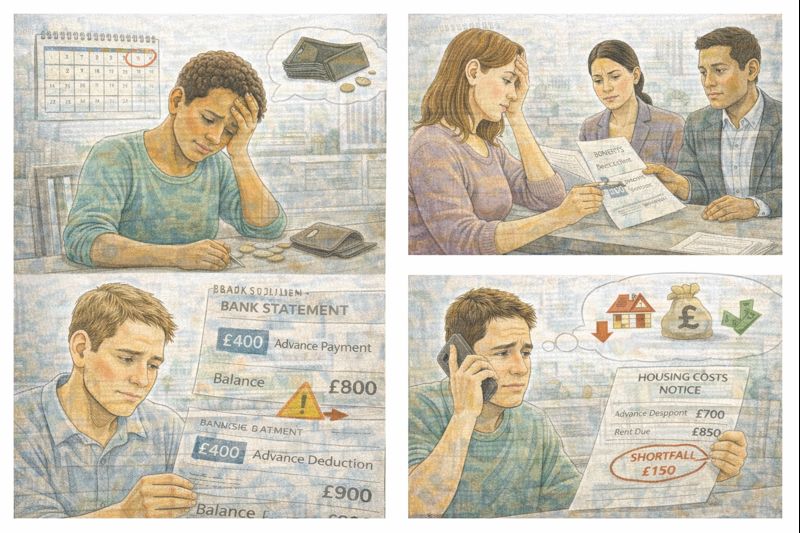
For millions of people across the UK, the benefits system is meant to be a lifeline. It is supposed to step in when wages are not enough, when illness makes work impossible, when caring responsibilities take over, or when life simply falls apart in ways no one plans for. On paper, the system exists to protect people from poverty and help them regain stability. In reality, many people experience something very different.
What makes the situation worse is that many of the problems are not always obvious from the outside. They are hidden in long waiting times, confusing letters, silent deductions, missed payments, and rules that only make sense if you already know how the system works. These problems quietly pile pressure onto households already stretched to their limits, making everyday life harder than it needs to be.
One of the most damaging hidden problems is delay. For someone who has just lost their job, become unwell, or suffered a sudden life change, time matters. Bills do not pause while a claim is being processed. Rent is still due. Food still needs to be bought. Energy meters still need topping up. Yet many people wait weeks or even months before receiving full support. During this time, they are often told to “be patient” or “wait for a decision” without any clear idea of when help will actually arrive.
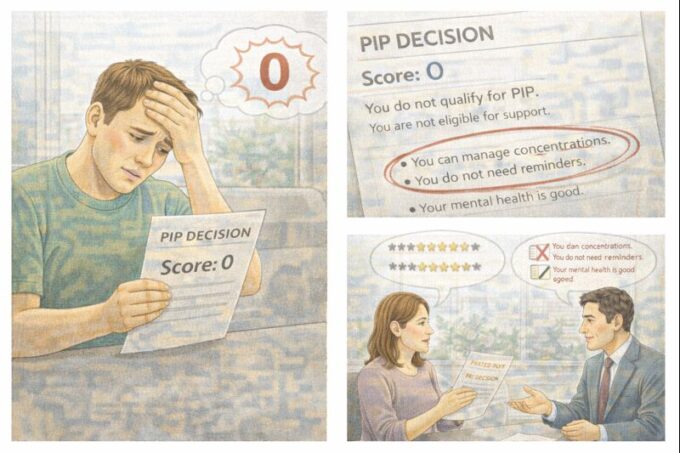
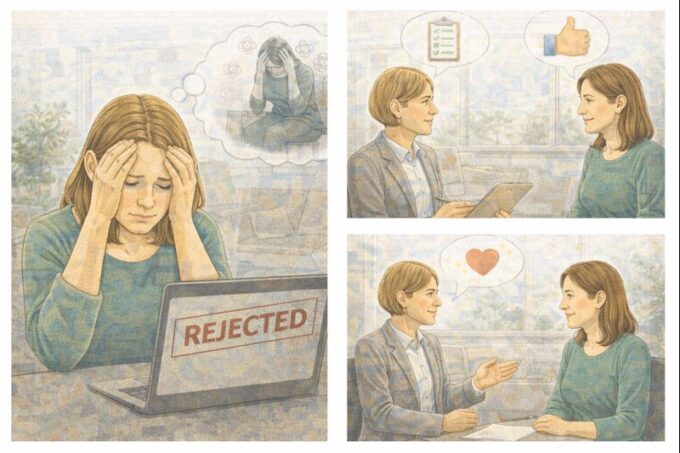
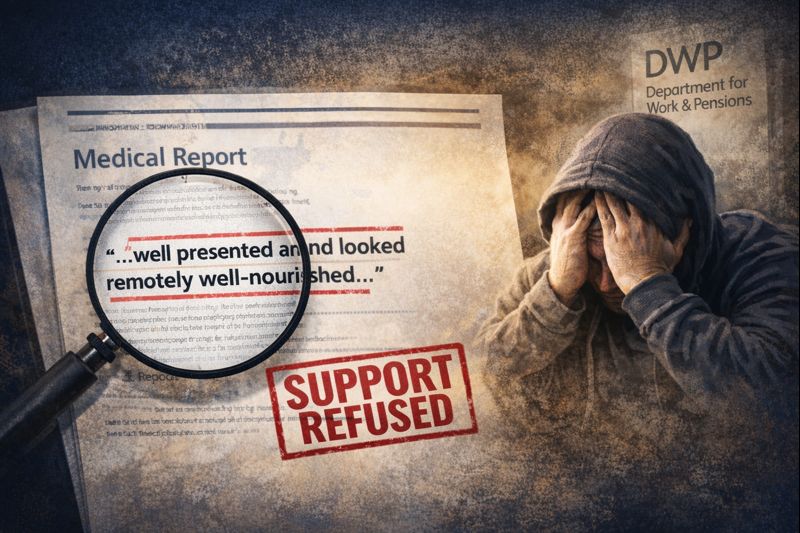
These delays are especially painful for people with health conditions or disabilities. Applying for extra support can be a long and draining process involving forms, evidence, assessments, and reviews. While waiting, many people survive on reduced income that does not reflect their real needs. Some rely on family or friends. Others turn to food banks. Many fall into debt. The emotional impact of waiting, combined with financial stress, often makes existing health problems worse.
Another hidden issue is housing support that no longer reflects reality. Rent has risen sharply across much of the UK, especially in cities and high-demand areas. For people on low incomes, housing costs now take up a huge part of their monthly budget. However, the support available to help cover rent has not kept pace with these increases. This leaves a growing gap between what people receive and what they must pay.
The result is constant pressure. People move money around just to stay afloat. Food budgets are cut to cover rent shortfalls. Heating is rationed. Families squeeze into overcrowded homes because moving is unaffordable. The fear of eviction becomes a constant background worry. Even when people do everything they can to budget carefully, the numbers simply do not add up.
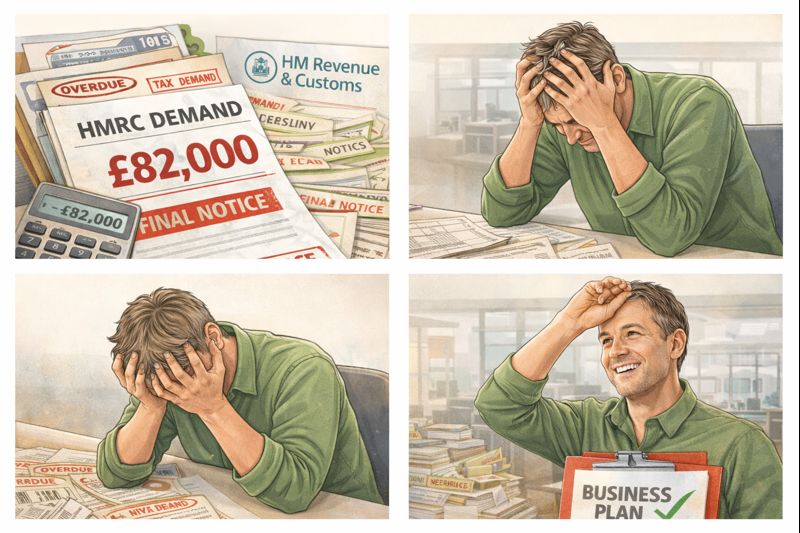
There is also the problem of deductions, which many claimants only fully understand once they experience them. Money can be taken directly from benefit payments to repay advances, overpayments, rent arrears, or other debts. While the idea of repayment sounds reasonable, the impact can be severe. Monthly payments that were already tight are suddenly reduced even further, sometimes without enough explanation or warning.
For people living month to month, these deductions can push them over the edge. They may have to borrow money, skip meals, or fall behind on other bills. What makes this particularly difficult is the lack of control people feel. Deductions often appear fixed and unavoidable, even when they cause serious hardship. Challenging them can be confusing and slow, leaving people feeling powerless.
Confusion itself is another hidden problem. The benefits system is filled with rules, conditions, and deadlines that are not always clearly explained. Letters and online messages often use technical language that is hard to understand, especially for people dealing with stress, illness, or limited digital skills. Many people do not realise they have missed out on support until it is too late, simply because they did not fully understand what was required of them.
Health-related rules are a common source of confusion. People may not realise that timing matters, that certain elements only start after long waiting periods, or that failing to report a change in the correct way can affect payments. These are not people trying to do the wrong thing. In most cases, they are trying their best to follow the rules but are let down by unclear communication.
Another issue that causes huge distress is sudden payment problems. Some people discover their benefit has been stopped, reduced, or delayed only when the money does not arrive in their bank account. There may be no clear warning, no immediate explanation, and no quick solution. People then spend hours on the phone or online trying to find out what went wrong, often being passed between departments.
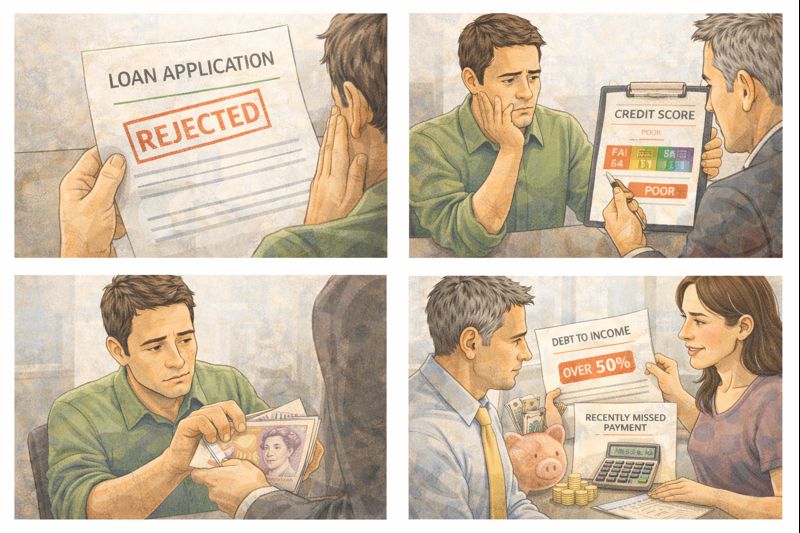
For households with no savings, even a short interruption can have serious consequences. Rent goes unpaid. Direct debits fail. Bank charges add up. Stress levels rise sharply. Parents worry about how they will feed their children. The fear that it could happen again never fully goes away, even after the issue is resolved.
These hidden problems do more than cause financial hardship. They affect mental health, relationships, and people’s sense of dignity. Living with constant uncertainty wears people down. It creates a feeling of being judged, monitored, or punished for needing help. Many people feel ashamed, even though their situation is not their fault.
What is often missed in public debate is that most people on benefits want stability, not handouts. They want to know how much money they will receive, when it will arrive, and that it will be enough to cover basic needs. They want clear rules and fair treatment. Many want to work when they are able, but need support while they recover, retrain, or look for suitable opportunities.
There are realistic ways to make life easier for people relying on benefits. Faster decisions and temporary support during long waits would prevent people falling into crisis. Housing support that reflects real rent prices would reduce arrears and homelessness. Fairer deduction limits would stop repayments pushing people below survival levels. Clearer communication would help people understand their rights and responsibilities. Better systems for fixing errors quickly would prevent unnecessary panic and hardship.
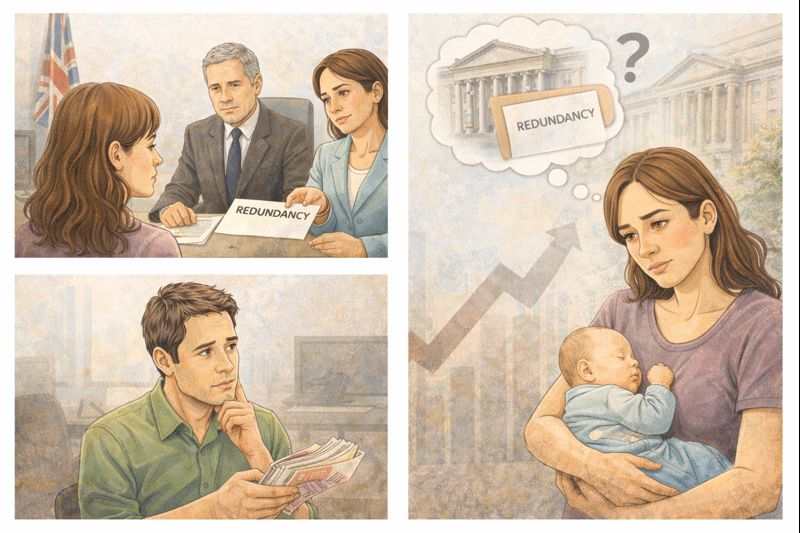
At its heart, the benefits system should be about protection and dignity. Life can change suddenly and unexpectedly. Illness, redundancy, family breakdown, or rising costs can affect anyone. When support systems fail, the impact is not just financial. It shapes how people feel about themselves and their place in society.
The hidden benefit problems making life harder for millions in the UK are not caused by laziness or abuse. They are caused by a system that has not kept up with the realities people face. Until these issues are properly addressed, many will continue to struggle in silence, doing their best to survive in a system that too often makes that survival harder than it needs to be.







Leave a comment