


Thousands of low-income households across the UK are facing growing uncertainty over their housing situation as new government housing benefit changes take effect. Charities, local councils, and housing experts are warning that the updates could push vulnerable renters closer to homelessness, particularly at a time when rents continue to rise faster than incomes and support levels remain under pressure.
The changes form part of a wider review of the welfare system, with the government arguing that reforms are needed to control public spending and encourage fairness. However, critics say the reality on the ground is very different. For many renters who already rely on housing support to keep a roof over their heads, the new rules risk widening the gap between what benefits cover and what landlords actually charge.
Housing benefit, including the housing element of Universal Credit, plays a crucial role for millions of people. It helps low-income workers, families, pensioners, and people with disabilities pay their rent. Without it, many would struggle to secure or maintain stable accommodation. But with rents rising sharply in many parts of the country, the level of support has failed to keep pace, leaving claimants to make up the shortfall from already stretched budgets.
Under the latest changes, housing benefit rates remain effectively frozen in many areas, despite clear evidence that rental costs have increased significantly. In addition, tighter rules around eligibility, reassessments, and local limits on how much support can be paid mean that some households may see their payments reduced or fail to qualify altogether.
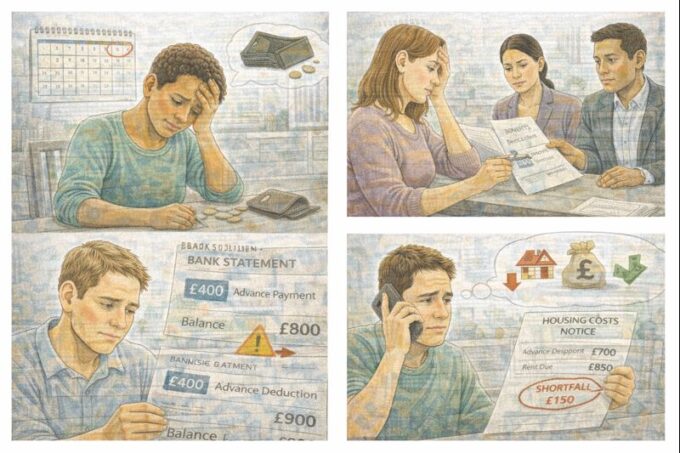
Campaigners warn that this could have serious consequences. When housing support does not cover the full cost of rent, tenants are forced to choose between paying their landlord and meeting other essential needs, such as food, heating, and transport. Over time, rent arrears can build up, increasing the risk of eviction. For families already living close to the edge, even a small reduction in support can tip the balance.
One of the biggest concerns is the widening gap between housing benefit rates and actual market rents. In many cities and towns, private rents have surged due to high demand, limited supply, and increased costs for landlords. Meanwhile, housing benefit rates are often based on outdated assessments that do not reflect current prices. As a result, many claimants find that their benefit covers only part of their rent, leaving them to pay the rest themselves.
Local authorities are already seeing the impact. Councils across the UK report rising numbers of people seeking help due to rent arrears or threats of eviction. Temporary accommodation costs are also increasing, putting further strain on local budgets. Some councils warn that if housing benefit levels remain out of step with real rents, homelessness could rise sharply.
Families with children are among those most at risk. Parents on low incomes often have limited flexibility in where they can live, as they need to stay close to schools, childcare, and support networks. When housing benefit does not cover rent, moving to a cheaper area is not always an option. This can leave families trapped in insecure housing situations, with the constant fear of losing their home.
Single people and younger renters are also affected. Many landlords are reluctant to rent to people claiming housing support, especially when benefit levels fall short of the rent. This can make it harder for claimants to find suitable accommodation in the first place, increasing reliance on temporary housing or shared living arrangements that may not be appropriate or stable.
People with disabilities and long-term health conditions face additional challenges. Suitable housing that meets accessibility needs is often more expensive and harder to find. When housing benefit does not fully cover these costs, individuals may be forced into accommodation that does not meet their needs, affecting their health and independence.
The government says the changes are designed to ensure fairness and sustainability in the benefits system. Officials argue that housing support must be balanced against the need to manage public finances and avoid driving up rents further. They also point to other forms of support, such as discretionary housing payments, which councils can use to help those facing short-term difficulties.
However, critics argue that discretionary payments are not a long-term solution. They are often limited in duration and subject to local budget constraints, meaning support can be inconsistent and uncertain. For tenants facing ongoing gaps between rent and benefit, this uncertainty adds to stress and insecurity.
Housing charities have been particularly vocal in their concerns. They warn that without meaningful changes to housing benefit levels, the risk of homelessness will continue to grow. Many organisations say the current system places too much responsibility on individuals to absorb rising housing costs, even when those costs are clearly beyond their control.
There is also concern about the wider social impact of the changes. Stable housing is closely linked to health, education, and employment outcomes. When people are forced to move frequently or live in insecure conditions, it can disrupt children’s schooling, make it harder to hold down a job, and worsen physical and mental health. In the long term, this can increase pressure on public services, offsetting any short-term savings made by cutting housing support.
Renters themselves describe a growing sense of anxiety. For many, the fear of eviction is constant. Some report skipping meals, reducing heating, or relying on credit to cover rent shortfalls. Others say they feel trapped, unable to improve their situation because any increase in income could lead to reduced benefits, while still leaving them unable to afford market rents.
Landlords are also affected by the changes. Some say that when housing benefit does not keep up with rents, it becomes harder to rent to low-income tenants without taking on financial risk. This can lead to fewer properties being made available to people on benefits, further shrinking an already limited supply of affordable housing.
The debate has reignited calls for a broader rethink of housing policy. Many experts argue that the root of the problem lies not just in benefit levels, but in the lack of affordable housing across the UK. Without significant investment in social and genuinely affordable homes, they say, housing benefit will continue to struggle to bridge the gap between low incomes and high rents.
Opposition parties have criticised the government’s approach, accusing it of ignoring the real-world impact on vulnerable people. They argue that keeping housing benefit frozen while rents rise is effectively a cut, even if the rules themselves do not change. Some have called for housing benefit rates to be linked more closely to local rent levels, so support reflects actual costs.
The government has said it will continue to monitor the situation and review support where necessary. Officials emphasise that help is available for those in immediate danger of losing their home and encourage claimants to speak to their local council if they are struggling. However, many campaigners say this reactive approach is not enough and that preventative measures are needed to stop people reaching crisis point in the first place.
As the cost of living remains high, the pressure on low-income renters shows no sign of easing. With wages rising slowly and rents continuing to climb, housing benefit changes are becoming a key factor in whether people can stay in their homes. For thousands, the fear is that without stronger support, the risk of eviction and homelessness will only grow.
The coming months will be crucial. If housing benefit levels remain out of step with real housing costs, more households could find themselves unable to cope. Charities and councils are urging the government to act quickly, warning that the human cost of inaction could be severe.
For renters affected by the changes, the situation feels deeply uncertain. Many are left asking the same question: how long can they keep going when the support meant to protect them no longer covers the basics? As the debate continues, the lives and homes of thousands hang in the balance.
Questions and Answers: Housing Benefit Changes Explained
What are the new housing benefits changes?
The government has made changes that keep housing benefit levels frozen in many areas while rents continue to rise. There are also tighter rules around eligibility, reassessments, and local limits on how much rent support can be paid.
Does this mean housing benefit has been cut?
Officially, the benefit has not been reduced, but because rents are increasing and benefit levels are not rising with them, many people experience it as a real cut. The gap between rent and support is getting bigger.
Who is most affected by these changes?
Low-income renters, families with children, people with disabilities, pensioners, and those on Universal Credit are among the most affected. Anyone whose rent is higher than their housing benefit allowance may struggle.
Why could people lose their homes because of this?
When housing benefit does not cover the full rent, tenants must pay the difference themselves. If they cannot afford this, rent arrears can build up, which may lead to eviction and homelessness.
Are private renters more at risk than social housing tenants?
Yes. Private rents are usually higher and rise faster. Housing benefit often falls well below private market rents, making private renters particularly vulnerable.
What is the Local Housing Allowance (LHA)?
The Local Housing Allowance sets the maximum amount of housing benefit someone can receive based on local rent levels. In many areas, LHA rates have not kept up with real rent prices.
Does owning savings or working affect housing benefit?
Yes. Your income and savings can affect how much housing benefit you receive. However, many people who work or have small savings still qualify for some support.
What about people on Universal Credit?
Housing benefit for most working-age people is now paid as the housing element of Universal Credit. The same issues apply, as housing support levels often do not match rising rents.
Can councils help if housing benefit is not enough?
Local councils can sometimes offer Discretionary Housing Payments (DHPs). These are short-term payments designed to help people facing immediate hardship, but they are not guaranteed and may not last long.
Are Discretionary Housing Payments a long-term solution?
No. They are usually temporary and depend on local council budgets. Many people find they run out before their housing situation improves.
What should renters do if they are struggling to pay rent?
Renters should contact their local council as early as possible, speak to their landlord, and seek advice from housing or welfare organisations. Early action can sometimes prevent eviction.
Does this affect families with children more?
Yes. Families often have fewer housing options due to school locations and childcare needs. If housing benefit does not cover rent, moving to a cheaper area may not be realistic.
What about people with disabilities or health conditions?
People with disabilities may need specific types of housing, which can be more expensive. When housing benefit does not meet these costs, it can seriously affect health and independence.
Why is the government keeping housing benefit frozen?
The government says it is trying to control public spending and avoid pushing rents even higher. Critics argue this approach ignores the reality of rising housing costs.
Could these changes increase homelessness?
Housing charities warn that continued pressure on housing benefit could lead to higher levels of homelessness, as more people struggle to keep up with rent.
Is there any chance the rules will change again?
The government says it is monitoring the situation, but there is no confirmed plan to increase housing benefit levels in line with rent rises.
What help is available if someone is facing eviction?
People facing eviction should contact their local council immediately. Councils have a duty to help those at risk of homelessness, especially families and vulnerable individuals.
Can landlords refuse tenants who receive housing benefit?
While discrimination rules apply, some landlords still avoid renting to benefit claimants, especially when benefit levels do not cover the rent.
What can renters do to protect themselves?
Keeping records, seeking advice early, applying for all eligible benefits, and speaking to councils or charities can help reduce the risk of losing a home.
Why is this issue getting so much attention now?
Rents are rising quickly while support is not. This combination is putting thousands of households under pressure, making housing benefit a major national issue.
What is the key message for renters?
If you rely on housing support and are struggling, do not wait. Seek help early, check your entitlements, and speak to your council or an advice service before the situation becomes a crisis.






Leave a comment